San Diego Natural History Museum
Read the region before you hike it
⏱ 2 hours👤 All ages$$
Get Tickets
Get The Nat Tickets
Skip the line · mobile tickets accepted at the door
The institutional pedigree gives the exhibits their spine: founded 1874 by the San Diego Society of Natural History, the Nat predates the park it anchors, and its research arm — the herpetology, paleontology, and botany collections running millions of specimens, the binational expeditions cataloguing Baja's biodiversity — makes it the scientific memory of the peninsula's edge. The 1933 building's 2001 glass-atrium expansion doubled it into the current four-floor light well, and the giant-screen theater's nature documentaries (included, rotating) give the visit its sit-down act.
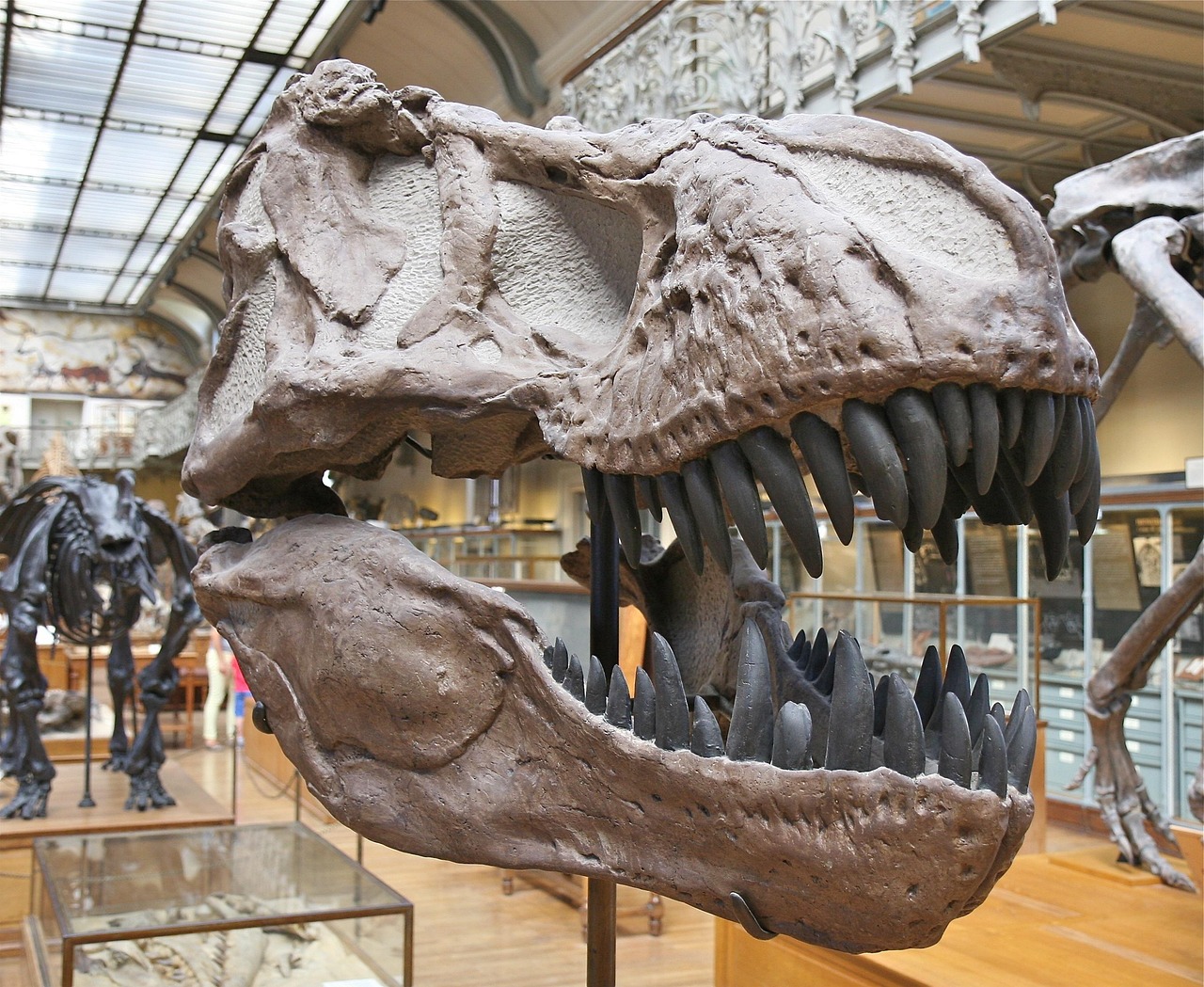
Floor by floor, the keepers: Fossil Mysteries' local deep time — the region's seas gave the museum its megalodon and whale material, the Southland's own dinosaurs (nodosaurs and hadrosaur kin) correct the Montana-centric story, and the Pleistocene gallery's mammoth and sabertooth era ran right through what is now the zoo parking lot; the Living Lab's regional herps — the rattlesnake roster (red diamond, speckled, Southern Pacific) is genuinely useful trail education; Coast to Cactus's habitat walk — the museum's modern masterpiece, moving tidepool to chaparral to desert with the region's fire ecology told straight; and the atrium skeletons that make the building read as wonder before a single label is read.
Practicals and fit: Plaza de Balboa opposite the Fleet (the fountain between them is the park's family crossroads), two hours standard with theater, included films worth scheduling, school-group mornings versus calm afternoons, and the park tram landing a plaza away. Fit: families (the Nat-plus-Fleet plaza is the park's kid axis), trail-and-tidepool travelers who want the region decoded first, and rainy-or-roasting days — the double bill across the fountain is San Diego's best indoor insurance policy.
What to Expect
Format
Four atrium floors of regional natural history — local fossils and dinosaurs, a live-reptile floor, the Coast to Cactus habitat walk — plus an included giant-screen nature theater.
Best Time
Early in the trip (it decodes every later hike and tidepool); afternoons dodge school groups; any rainy or roasting day.
Duration
Two easy hours with a film.
Tips
Study the rattlesnake wall if you plan to hike — it is the region's trail syllabus. Schedule the included theater at entry. The Fleet across the fountain makes the weather-proof double bill.
⚡ Quick Picks
Best For
Families and trail-bound travelers who want Southern California's nature decoded first.
Families
Whale skeletons overhead, live snakes at kid height, and a theater built into the ticket.
Couples
The atrium light well and the Coast to Cactus walk make a civilized, uncrowded pair of hours.
Pair With
The Fleet across the plaza — the park's definitive indoor double bill — with the zoo beyond.
Time Needed
The trip's early decoder slot.
Ready to book The Nat?
Get Tickets →Frequently Asked Questions
Why "the Nat"?
Local shorthand for the 150-year-old San Diego Natural History Museum — the region's oldest scientific institution, predating Balboa Park itself.
Are there dinosaurs?
The Southland's own — nodosaur kin and local finds in Fossil Mysteries — plus megalodon jaws, fossil whales from San Diego's warmer seas, and the ice-age mammoth era.
Is the theater extra?
No — the giant-screen nature films are included with admission and rotate daily; grab times at entry and build the loop around one.
What should hikers look at?
The Living Lab's rattlesnake roster — the regional species side by side — and Coast to Cactus's habitat ladder, which turns every later trail into a story you have already read.
How does it pair with the Fleet?
Across the same fountain plaza — the Nat for the region's nature, the Fleet for hands-on science and the dome — San Diego's best rainy-day double bill.
More San Diego Attractions
Browse all →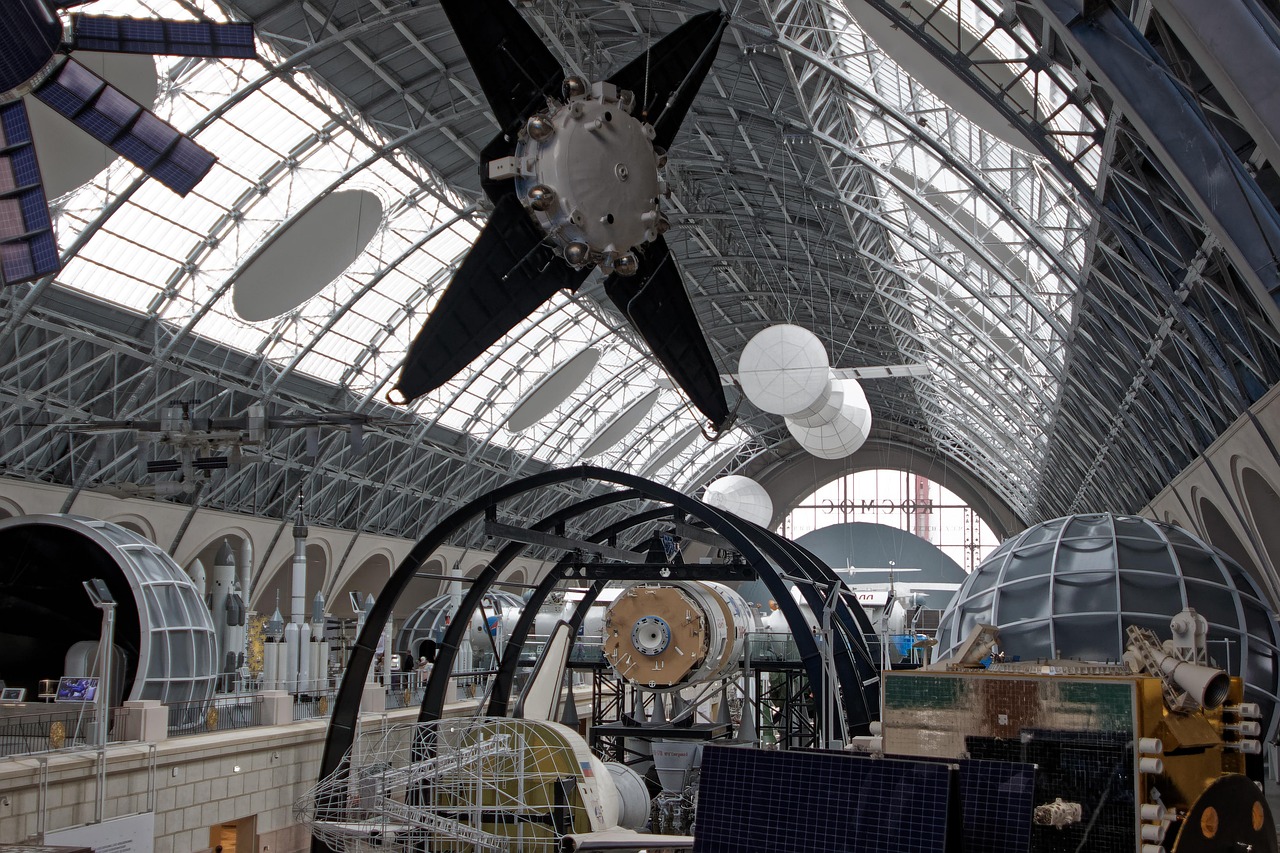
Fleet Science Center
Balboa Park's hands-on science playground under the giant dome — two floors of touch-everything galleries, the IMAX-grade Giant Dome Theater that invented the format, and the kid-recharge stop every museum day needs.

Balboa Park
A 1,200-acre cultural park just north of downtown — Spanish Colonial Revival architecture, more than a dozen museums, lush gardens, performing-arts venues, and the San Diego Zoo, all in one beautiful, walkable expanse. Free to enter.
San Diego Zoo Safari Park
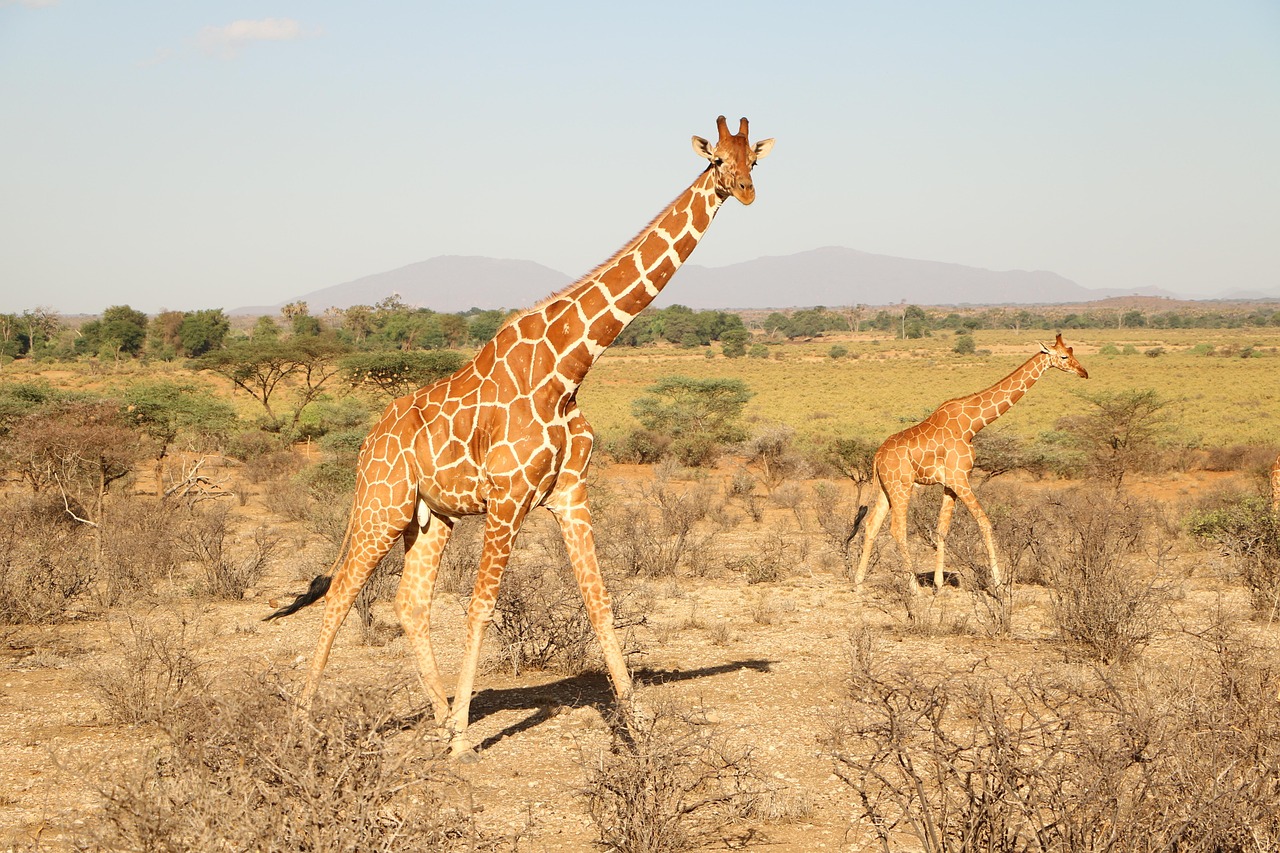
The zoo's wilder sibling — 1,800 acres in the Escondido hills where giraffes, rhinos, and antelope herds roam open savannas you cross by tram, with cheetah runs, hot-air balloon views, and safari upgrades the city zoo cannot stage.