Japanese Friendship Garden
Twelve acres of exhale
⏱ 1 hour👤 All ages$
Get Tickets
Get Friendship Garden Tickets
Skip the line · mobile tickets accepted at the door
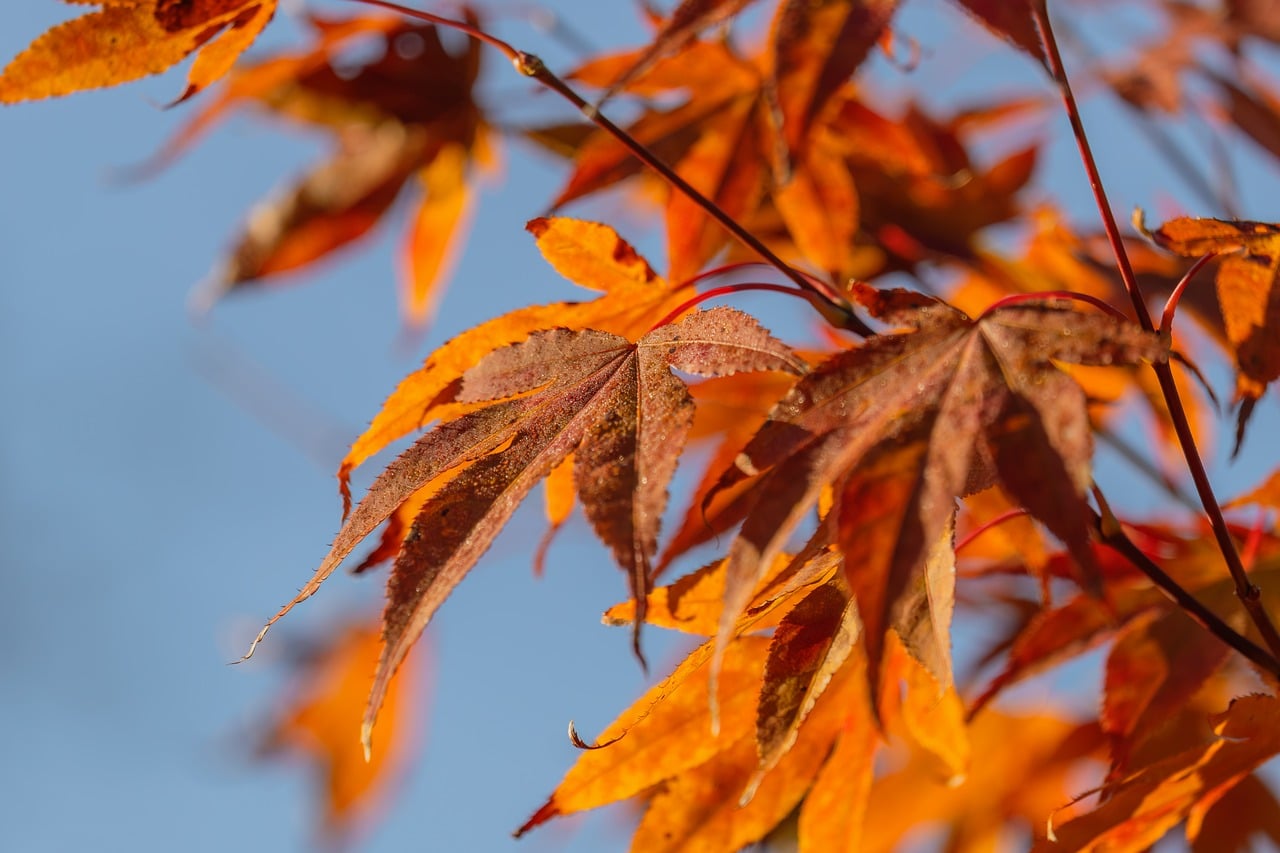
The garden's design earns the Japanese-garden name beyond decoration: begun in 1991 on two upper acres (the legacy of the 1915 exposition's Japanese tea house carried the thread), expanded massively in 2015 down the canyon with Kyoto-trained landscape direction, it works the tradition's grammar — borrowed scenery pulling the park's eucalyptus skyline into the composition, the karesansui's raked quartz as ocean around stone islands, the stroll-garden sequencing that hides and reveals the waterfall and stream in staged vignettes, stone lanterns and the sukiya-style pavilion placed as punctuation. The horticultural register is honest to both places: Japanese maples and black pines trained alongside the azalea banks, with the cherry grove — Pink Cloud and kin, chosen for the mild coast — delivering the February-March bloom that northern cultivars cannot manage here.
The calendar is the connoisseur's angle: the Cherry Blossom Festival's food-stall-and-taiko fortnight (book nothing; just arrive early), summer's obon-season lanterns, the koi club's spring shows, and the rotating exhibit house displays (bonsai, ikebana, craft) keeping repeat visits fresh. Tea runs two speeds — the casual tea house at the gate, and the Inamori Pavilion's scheduled ceremonies for the full ritual.
Practicals and fit: entry beside the Spreckels Organ Pavilion (the Sunday organ concert pairs perfectly), modest admission with the park's explorer passes covering it, 45-90 minutes at stroll pace, weekday mornings for solitude and bloom weeks for spectacle, full-path accessibility via the upper loop with the canyon descent switchbacked. Fit: couples (the park's definitive quiet hour), museum-saturated families (koi feeding resets the under-tens), photographers (the waterfall and bloom weeks), and every Balboa itinerary that scheduled three halls and needs the fourth slot to be silence.
What to Expect
Format
A terraced Japanese stroll garden beside the organ pavilion — raked-gravel courtyard, koi pond, waterfall canyon, cherry grove, and tea at two speeds.
Best Time
February-March for the bloom fortnight (early arrival); weekday mornings for solitude; the Sunday organ concert next door as a pairing.
Duration
Forty-five to ninety unhurried minutes.
Tips
Walk it top to bottom — the canyon descent is the designed reveal. Koi food at the gate resets tired kids. Bloom weeks pack by 11; everything else stays serene.
⚡ Quick Picks
Best For
The quiet slot every three-museum Balboa day needs — calm, engineered and sold by the cup.
Families
Koi feeding and the stream path — the park's gentlest hour for the under-eights.
Couples
Matcha on the terrace over the canyon — the Prado's definitive two-person pause.
Pair With
The organ pavilion beside the gate; the Museum of Us tower two minutes up the Prado.
Time Needed
The exhale hour, mid-museum-day.
Ready to book Friendship Garden?
Get Tickets →Frequently Asked Questions
When do the cherries bloom?
Typically February into March — weeks before Japan's season, thanks to coastal cultivars — with the Cherry Blossom Festival packing the grove's best fortnight. Arrive early those weeks.
Is it a real Japanese garden?
Designed to the tradition's grammar — karesansui courtyard, borrowed scenery, staged stroll-garden reveals — as San Diego's sister-city bond with Yokohama, expanded canyon-deep in 2015.
Can we do a tea ceremony?
The gate tea house pours casual matcha daily; the Inamori Pavilion schedules formal ceremonies and seasonal festivals — check the calendar for dates.
How long does it take?
Forty-five to ninety minutes at the stroll pace it is built for — the right dose between Balboa's museum halls.
Is it accessible?
The upper garden fully; the canyon descends by switchback paths — wheelchairs and strollers cover the top loop and the views down the terraces.
More San Diego Attractions
Browse all →
Balboa Park
A 1,200-acre cultural park just north of downtown — Spanish Colonial Revival architecture, more than a dozen museums, lush gardens, performing-arts venues, and the San Diego Zoo, all in one beautiful, walkable expanse. Free to enter.
Museum of Us
The anthropology museum inside Balboa Park's most famous building — the California Tower's icon facade, candid human-story exhibits from cannibals-myth-busting to race and beer, and the tower climb with the park's best view.
Fleet Science Center
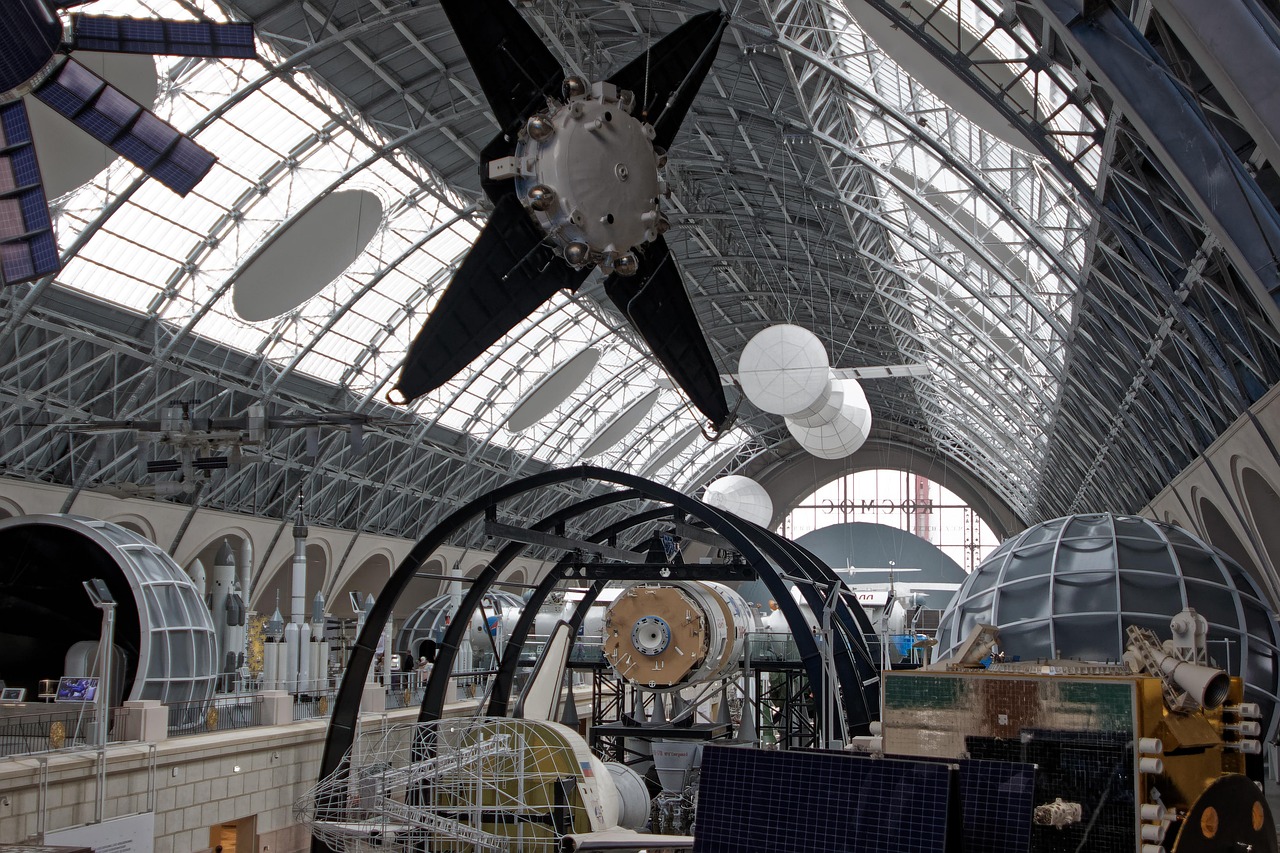
Balboa Park's hands-on science playground under the giant dome — two floors of touch-everything galleries, the IMAX-grade Giant Dome Theater that invented the format, and the kid-recharge stop every museum day needs.